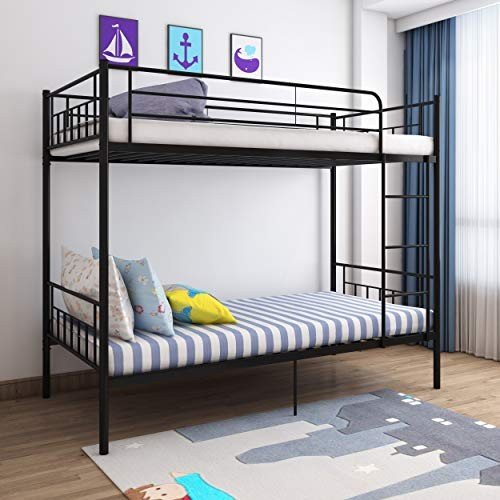
Bunk Beds Sales: An In-Depth Look at Trends, Benefits, and Buying Tips
Bunk beds have become a popular option for optimizing space in homes, especially in children's spaces, visitor accommodations, and even little apartments. This increase in need has caused a booming market, with numerous designs, products, and setups readily available. This short article aims to check out the types of bunk beds on the marketplace, the patterns driving sales, the benefits of utilizing bunk beds, and crucial elements to think about when purchasing one.
Overview of Bunk Bed Types
Bunk beds can be found in many styles, each catering to different requirements and preferences. Here are some typical types:
| Type of Bunk Bed | Description |
|---|---|
| Twin-over-Twin | The traditional setup including two twin-sized beds stacked on top of each other. |
| Twin-over-Full | One twin bed over a full-sized bed, providing more sleeping space. |
| L-Shaped Bunk Bed | An L-shaped design that can be a space-saver and also provides a more playful structure for children. |
| Loft Beds | A single bed raised off the ground, developing space underneath for storage or a desk. |
| Trundle Bunk Bed | A bunk bed with a pull-out trundle bed underneath, ideal for accommodating additional guests. |
| Custom-made Bunk Beds | Personalized styles that can fit particular spaces or styles, often made from unique materials such as wood or metal. |
Market Trends in Bunk Beds Sales
The bunk bed market has experienced significant patterns in recent years. It is vital to understand these trends to make educated acquiring decisions.
1. Eco-Conscious Choices
Many consumers are leaning towards environmentally friendly bunk beds made from sustainable products such as recycled wood or zero-VOC finishes. This shift is driven by a growing awareness of environmental issues and a desire for healthier home environments.
2. Multi-functionality
With the rise of smaller living spaces, bunk beds that serve numerous functions are significantly popular. Beds with integrated desks, storage options, or even play areas remain in need, making them useful solutions for metropolitan residences.
3. Personalization Options
Customers are revealing a choice for adjustable options that match their home design. Many brand names now use various color finishes, sizes, and styles that deal with specific tastes.
4. Online Sales Growth
The introduction of e-commerce has actually changed the way bunk beds are sold. Consumers can now acquire bunk beds online, typically at competitive costs, with the added convenience of home delivery.
Benefits of Bunk Beds
Bunk beds provide substantial advantages that contribute to their appeal. Here are some key advantages:
- Space Efficiency: Bunk beds conserve flooring space, allowing for the addition of other furniture or play areas.
- Cost-Effectiveness: Purchasing a bunk bed can be more cost-effective compared to buying two different beds.
- Enjoyable Factor: For kids, bunk beds can be an interesting addition to their rooms, producing a sense of adventure.
- Flexibility: Many bunk beds can be separated into 2 specific units, using versatility as needs change.
- Slumber party Friendly: Bunk beds supply a perfect solution for accommodating multiple visitors, especially for pajama parties.
Bunk Bed Buying Guide
When considering a bunk bed purchase, several elements must be assessed:
Safety Features
- Guardrails: Ensure the bed has guardrails to avoid falling.
- Ladder Design: Check if the ladder is safe and simple to climb.
- Stability and Weight Capacity: Look for tough building and weight limits to guarantee safety.
Product and Build Quality
- Frame Material: Bunk beds typically can be found in wood, metal, or a combination. Select based on resilience and looks.
- Construction Quality: Inspect joints and hardware; strong building and construction indicates durability.
Size Considerations
- Room Size: Measure your space to make sure the bunk bed fits well without crowding the space.
- Mattress Size: Determine whether the bunk bed accommodates basic mattress sizes.
Cost Range
- Spending plan: Set a budget before starting your search. Bunk beds are offered at different rate points, generally starting from around ₤ 200 to over ₤ 1000.
Design Preferences
- Design: From contemporary minimalist to classic rustic, select a style that matches your existing decoration.
- Color: Ensure that the color fits well with the space's palette.
Regularly Asked Questions (FAQs)
What age is safe for children to utilize bunk beds?
Most companies advise that children aged 6 and older use bunk beds, primarily due to the safety concerns related to climbing and falling.
How much weight can a bunk bed hold?
Bunk beds vary by style and products utilized, however most can support weights ranging from 200 to 600 lbs. Inspect maker specifications for exact limitations.
Can bunk beds be separated into 2 specific beds?
Many bunk beds are designed to be separated. Refer to the product requirements and assembly directions for details.
Are there any security standards for bunk beds?
Yes, in the United States, the Consumer Product Safety Commission (CPSC) supplies standards and standards for bunk bed safety.
How do I maintain a bunk bed?
Frequently look for loose screws or parts, clean surfaces to avoid dust build-up, and examine for wear or damage.
In summary, the increasing need for bunk beds indicates a shift towards smarter space management and flexible furniture services. With Marie Hobbs to supply practical sleeping solutions for a variety of areas, bunk beds continue to adjust to fulfill the needs of customers. As the market develops, potential buyers can benefit from the broad variety of designs and functionalities available, guaranteeing they discover a best fit for their home. Whether for kids's spaces, guest lodgings, or efficient usage of space, bunk beds remain a practical and elegant option.